
This issue is packed with information, we are taking a look at:
The new Hepatitis C screening programme, a spin off from the “infected Blood scandal”, an update on Weight loss injections, see Population Health.
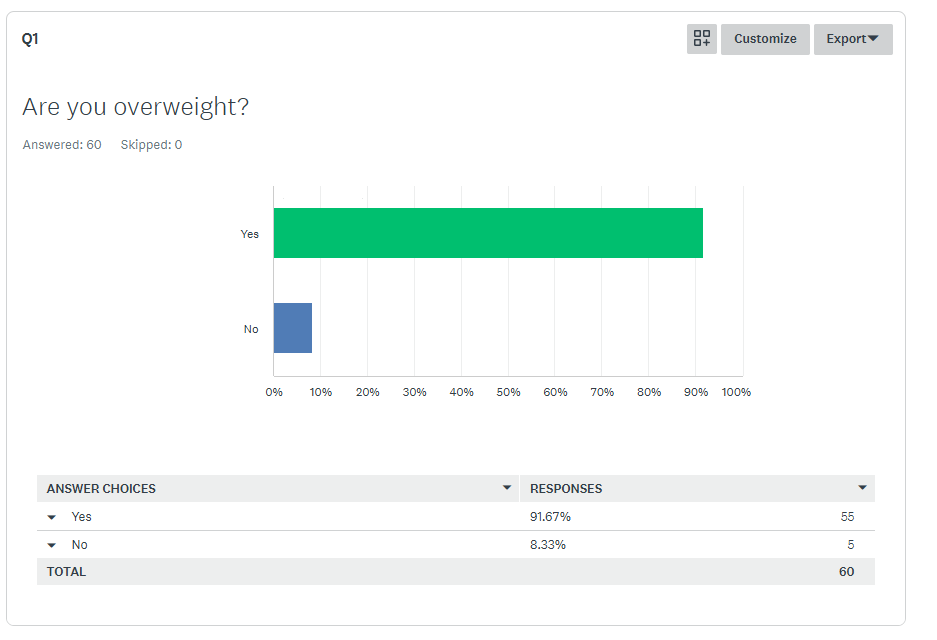
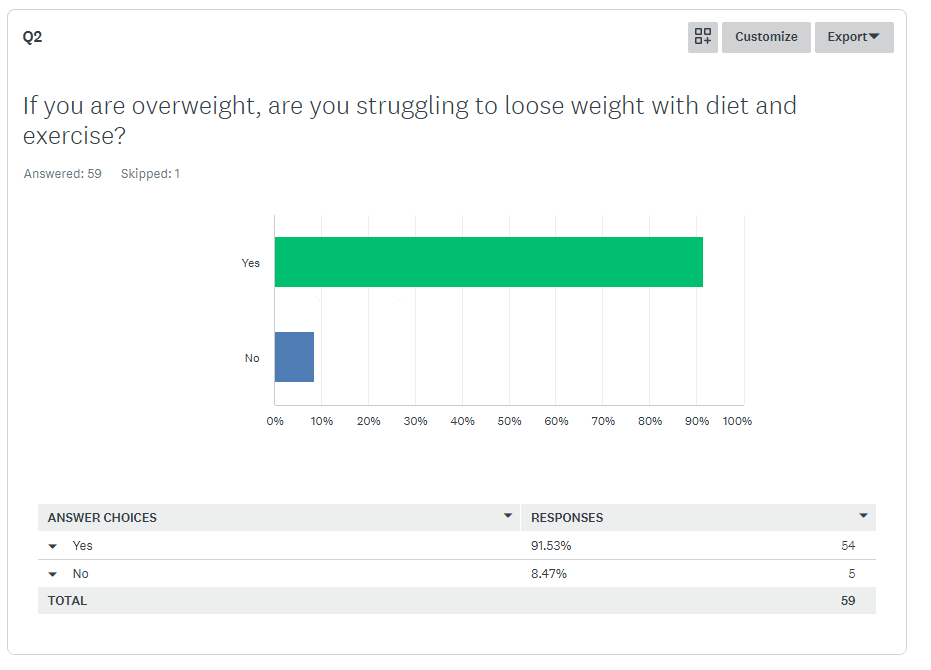
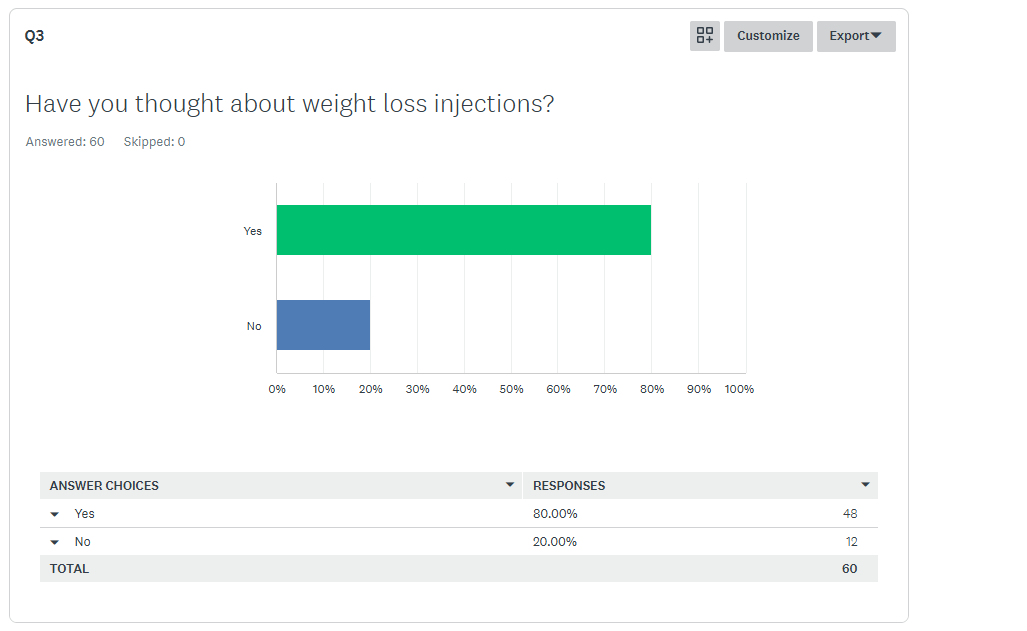
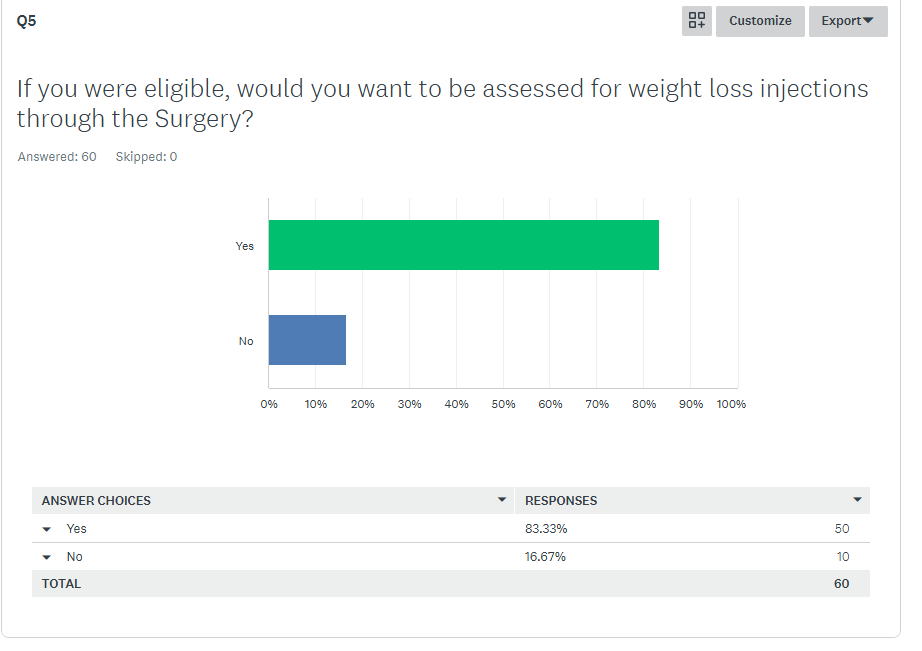
Information on “Health Initiatives” or what should more accurately be described as “Disease Initiative” as they are looking at sorting out problems after they have arisen. See the new 10 year plan from the ICB in the 4 July ICB new letter and the update on the weight loss injection programme, and the results of our injection survey. The flip side of this is “Preventative Health Advice” or rather “Disease prevention”, in our tried and tested section. HOW NOT TO DIE.
We should call this the scientific issue, as we are going to present you with the actual trial evidence for our advice for cardiovascular disease. There are lots of graphs to cut through the scientific jargon, a picture is worth 10,000 words when it comes to science. Once you have the real facts, you can choose what practical advice to follow.
Innovations looks at the new PhoneBot – please read this carefully. There is an update on MedLink automatic recall for chronic diseases, and the AccRx access survey. There are some tweaks to the GP automate (LabBot) blood test reports, and info on what the normal ranges mean statistically and why out of range results marked with a red dot or ! , may be normal or fine for the individual.
The main takeaways are in bold if you can’t face reading everything.
Surgery News:
A warm welcome to the latest members of our team:
Jack and Rania have joined the reception team.
Lola a prescribing pharmacist is helping out the medication management team.
We wish Katie, our medication management technician well in her new job closer to home.
Congratulations to Kylie and Jade, our GP assistants for completing their 3 years of training for their GP assistant award, this qualification is the equivalent of a year at university, and is also very practical. They are doing some of the phlebotomy and ECG clinics, so you will meet them there.
Also Congratulations to Dr Daniella on the award of her PhD. She is working with the Medication management team on complex medication management, organising the spread sheets and will be contacting you for your monitoring blood tests for disease modifying medications, and chivvying up hospital for your annual shared care reviews.
Innovations:
Goodness things are changing fast. Information technology and artificial intelligence technologies are really starting to bed in and ramping up speed of interaction and hopefully efficiency.
We are about to roll out our AI automated telephone receptionist, or PhoneBot the Robot receptionist.

All calls will be answered almost immediately, there is a slight delay with setting registration when you first use it, and you have to verify your date of birth and telephone number each time when you call, so that we are sure we are recording to the correct notes.
The answers you give are recorded. Please do not swear at the Robot receptionist, they will not take offence, but the comments are recorded in your notes for posterity. Calls can be completed in 2 to 5 minutes, depending on if you are already registered and if you know your route through the system. You will then be placed on the allocation list in real time for appointment allocation.
We have been testing the system, but if you get stuck in some sort of loop you can’t get out of for a particular request, please feed this back urgently on the web site https://www.thehillsurgery.nhs.uk/patient-group/patient-feedback/
Automated Telephone Route:
The first time you use this you will need to set up a PIN number. After this please remember your pin number as you will need it for a speedy verification and direction of the call (these options may be tweaked as time goes on if they are causing confusion).
Verification:
- You will need to key in your date of birth (DDMMYYYY) followed by the * key eg: 01122024*
- You need to key in your phone number we have on the system, even if you are calling from another number, followed by the star key eg:0777777777*
- You need to key in the previously set up PIN number, followed by the star key eg:011224*
Once verified you will be offered 3 options, and sub-options:
- Request Clinician appointment or administration query:
- Appointment GP or clinician
- Administrative Query or medical certificate, or prescription query
- Register for Repeat prescription
- Check or cancel an existing appointment
- Request Repeat Medication
- Speak to reception
- Change PIN
To hear options again press *
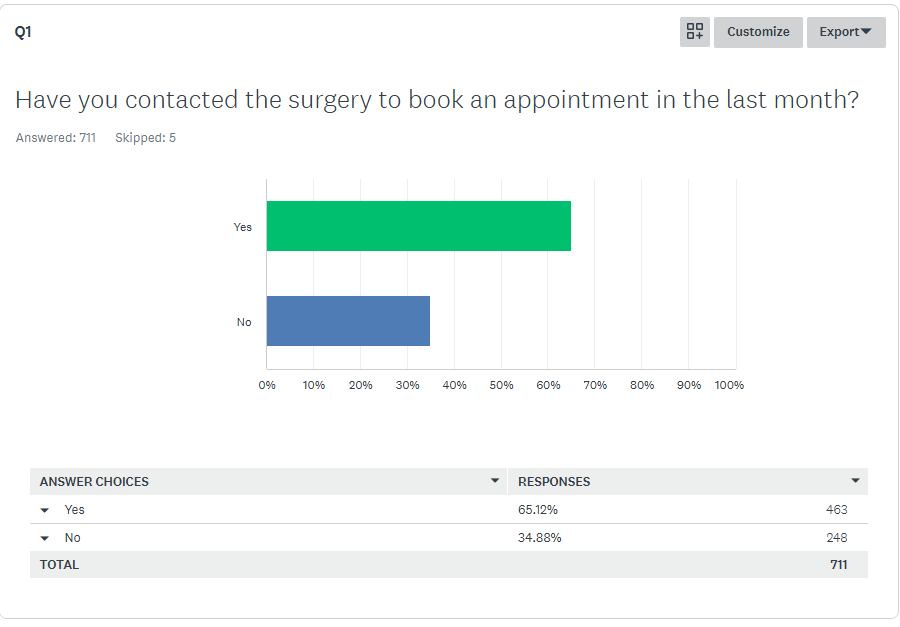
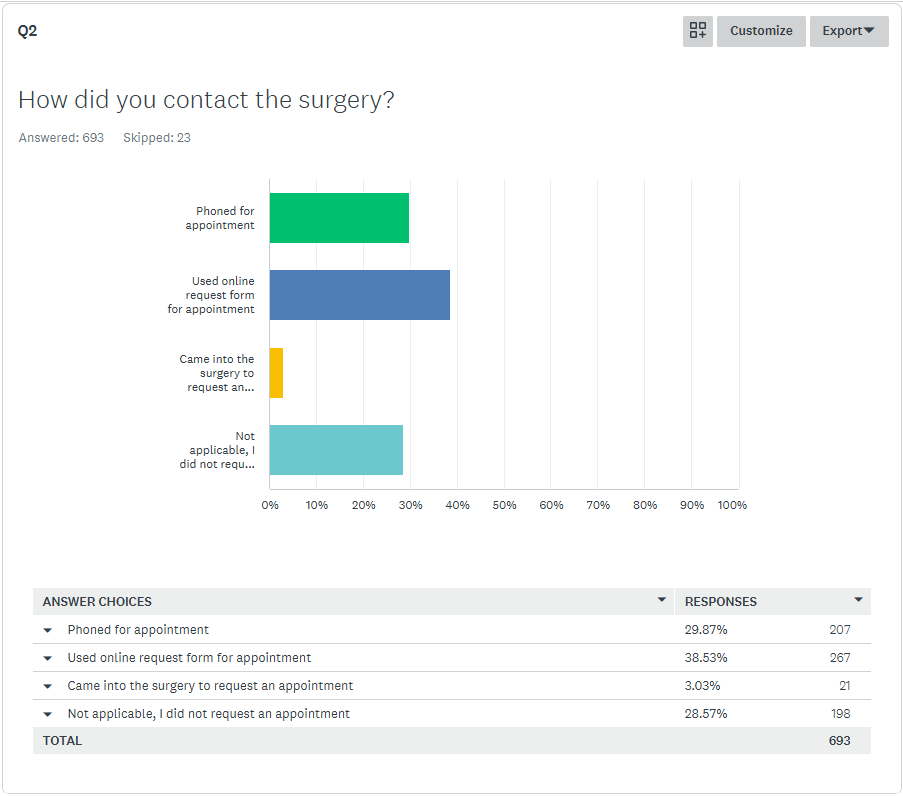
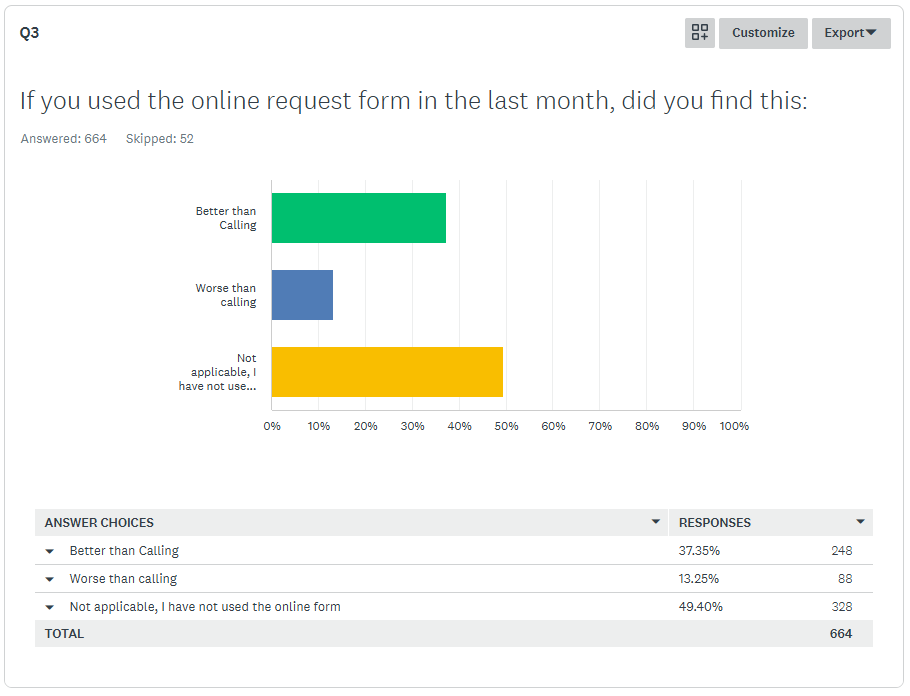
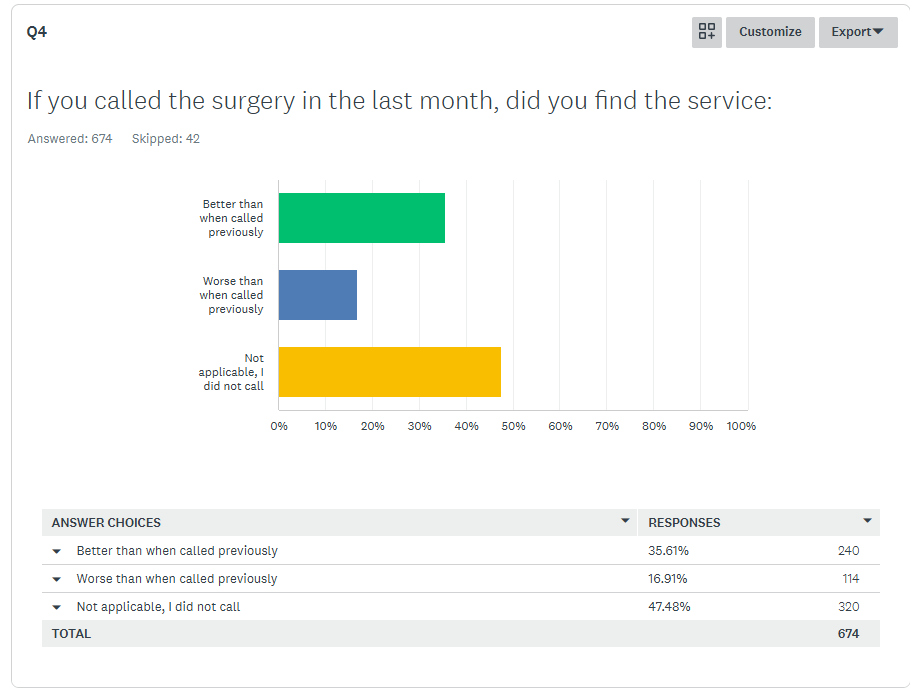
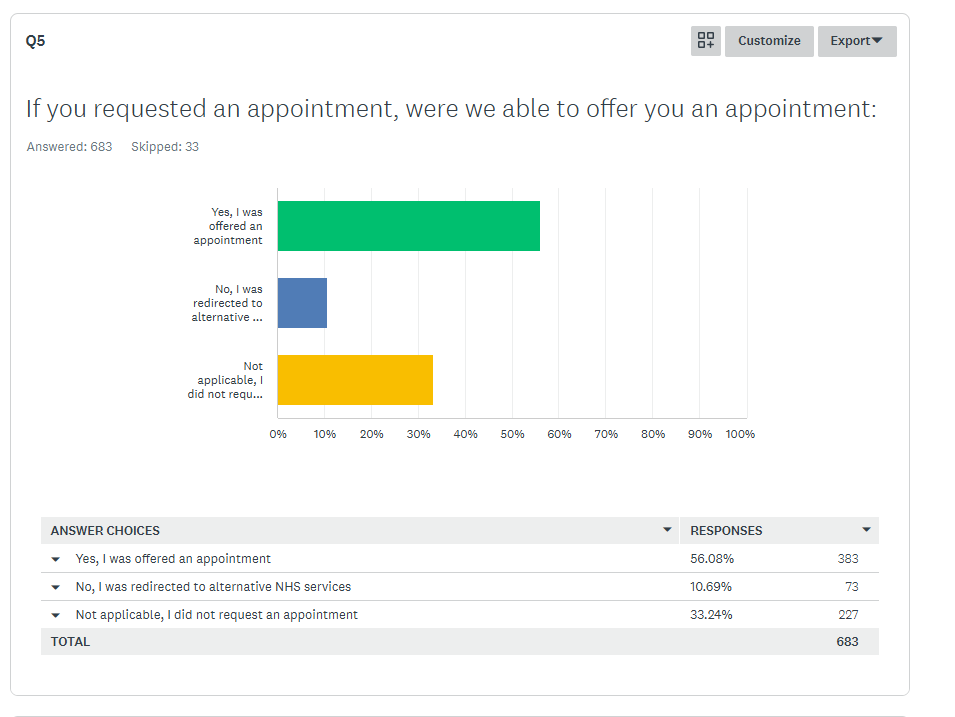
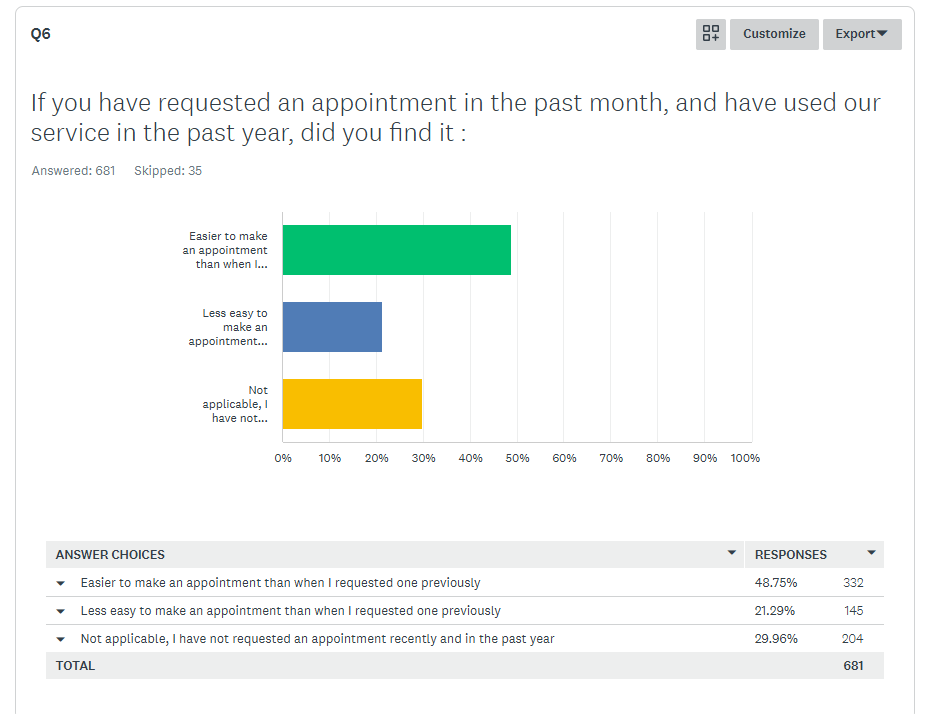
The AccuRx access forms, both online, or via speaking to reception, have been successfully implemented and feedback is very positive, around 55% of requests are now requested on line or via the NHS App. The allocations team are getting very slick, and the cancellation list patients are mostly accommodated in pre-bookable appointments later in the week and we seem to have capacity for the current demand.
Survey:
Blood tests
GPAutomate are changing their texting services, the text should still say GPAutomate. But the text provider will be HeroHealth, so may look slightly different when you receive them. The normal blood tests will still be automatically filed and available on the NHS app as they are now.
We have found a very informative (but quite technical) YouTube lecture about the normal range or blood tests. This explains why you may be out of the range, and have a red mark !, but are still fine. Why tests are not 100%, and will have some false positive and false negatives. For the mathematically minded, check out MedCram:
https://www.youtube.com/watch?v=ZPc6_UkdtzU&list=PLQ_IRFkDInv-ZO3LAriT5fU4LjEsN346S
Population Health:
Changes to Cervical Screening schedule:
From July 2025, if smears show no HPV, the screening will be every 5 years between 25 and 65 years, rather than every 3 years.
https://www.nhs.uk/tests-and-treatments/cervical-screening/when-youll-be-invited/
Hepatitis c screening:
For anyone that has had a blood transfusion before 1996. This is something NHSE have implemented as a question on their national registration form:
“This online service has now been updated to support the identification of patients who may have been infected by a blood transfusion prior to 1996, and this will go live by 15 June 2025. The paper registration form (PRF1) will also be updated for those who cannot or do not wish to register online.”
We have introduced a new signal to flag registrations where patients may be eligible for Hepatitis C testing. The signal reads: “This patient is eligible for a Hepatitis C blood test.”
Additionally, eligible patients will also receive communications, directing them to order a free at home test kit. Patients can access the test ordering service via: 👉 https://hepctest.nhs.uk
These changes have been implemented since NHS England officially added the new question to the registration form on 15 June 2025. Use the link above if this applies to you.
Weight loss injections:
The Survey has shown that weight loss injections there is interest amongst our patients. Reducing weight for health is definitely on many people’s mind.
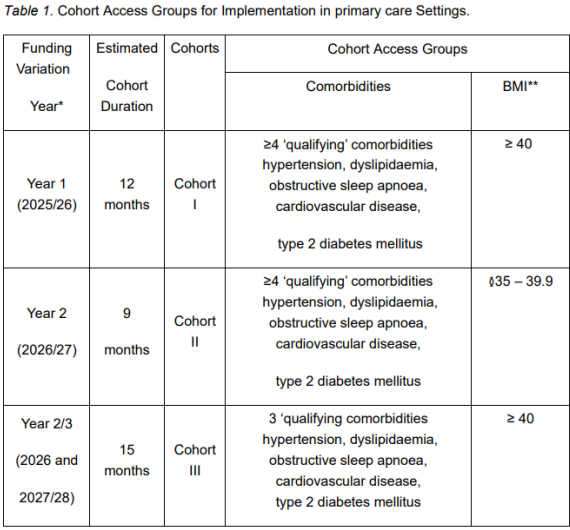
GP surgeries will be able to take part in the weight loss management programme that includes injections, the final specification to be funded by the ICB has just been published (see the table) We will be doing searches of our clinical data base to Identify the patients who appear to be eligible on our current data. The eligible patients will be contacted to offer the opportunity take part.
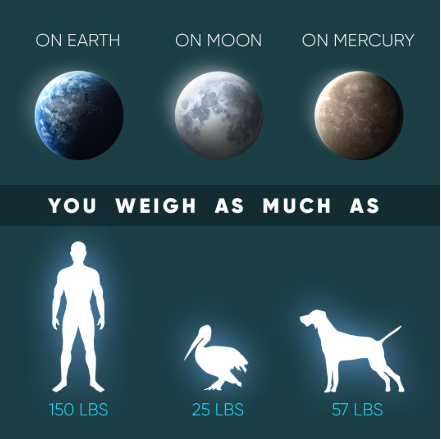
On a lighter note, apparently the Mounjaro or “MOONjaro” is part of Wes Streeting’s 10 year “MOONshot” , and as we all know with the moon’s gravity being about 1/6 of that of the Earth, we have been musing that we would all be substantially lighter with a MOONshot! Only 3 days to the moon, definitely the fastest way to weigh less. Does anyone have a spare Apollo rocket?
Survey Results:

Tried and Tested:
We have brought you a lot of information on Cancer in previous issues, screening and how to spot it early, but this issue we want to look at the other great curse of our time, Cardiovascular disease, and “how not to die”.
Cardiovascular disease (CVD or narrowing of the blood vessels from fat infiltration and calcium deposits) is a major public health concern in the UK, affecting an estimated 7.6 million people. It is a leading cause of death and disability, contributing to a significant gap in healthy life expectancy. Around 175,000 people in the UK die from CVD annually, despite decades of screening, statin use and smoking cessation campaigns. It accounts for approximately 27% of all deaths, according to Nice CKS. CVD is the second most common cause of death, after dementia and Alzheimer’s disease. Although most dementia is caused by vascular disease, so in reality it is the same thing, damage to the blood vessels by a combination of high cholesterol, blood sugar and blood pressure and is by far the largest cause of death and disability. Many other factors increase your risk of CVD including smoking and being sedentary. Screening and managing risk factors, with NHS checks, blood pressure checks and cholesterol tests, take up a substantial amount of our time.
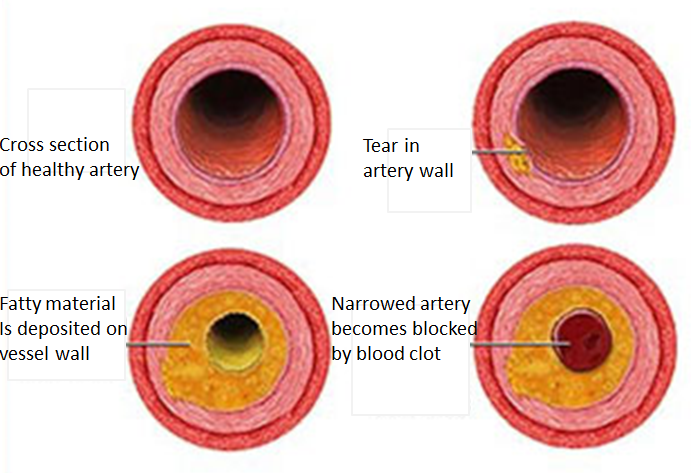
We thought it would be good to look at the mine field of social media trends and bad advice on health that seems to be domination the online space, and the mountains of disinformation that only serve to benefit the influencers wallets and the big corporations that fund them. We will give you some proper science to back up our advice on diet and exercise.
Anyone who has a passing interest Social media or “surfing” YouTube will know that lifestyle advice is confused and conflicting. Beef, butter, bacon, and ketones are terribly popular with influencers, although high profile advocates and authors of ketogenic and carnivore diets over the decades have not demonstrated longevity benefits in practice, and most die prematurely.
Everyone online seems to have their favourite magic supplement to make them live longer or “promote longevity”, especially if they are being paid obscene sums of money to promote them. There are many extreme conflicting views, and we are all caught in the middle.

The reality is that most of us will succumb to what could quite sensibly be referred to as: the 21st Century’s Four Horsemen of the Apocalypse of Chronic Disease: cardiovascular disease, diabetes, dementia, and cancer. We could add a fifth horseman, chronic obstructive pulmonary disease (COPD), but the smoking which causes this usually causes CVD as well, and it is a bit debatable which will get us first.
Preventing or delaying these chronic diseases will literally add decades to your life. Remarkably the lifestyle advice or “preventative health advice or Disease prevention” is exactly the same for all of these. It can be condensed down to 5 principles which do not make influencers any money:
- 1. Don’t smoke ( or if you do smoke, stop). This is a major contributor
To cardiovascular disease, cancer, COPD, and dementia.
https://oneyoueastsussex.org.uk/programmes/stop-smoking/
- Take regular exercise, preferably with a couple of strength-building and aerobic “cardiovascular” sessions per week.
Strength training, will prevent falls, a major killer in our country for the over 65s due to complications of hip fracture.
Aerobic/cardio exercises such as running, cycling, power walking or swimming have been shown to increase the size of the memory centres of your brain and dramatically reduces your risk of dementia. Every ounce of sweat counts in dementia prevention. This does not have to be gym based.
Carrying your shopping bags and walking from the far side of the car park and walking up and down every isle of the larger supermarkets certainly increases your step count. Just doing something is almost as effective as being a professional athlete when it comes to reducing mortality and increasing lifespan.
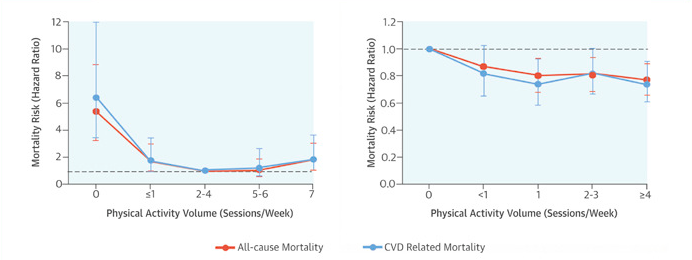
https://ars.els-cdn.com/content/image/1-s2.0-S0735109715075452-gr1_lrg.jpg
For those who are exercise minded, your VO2Max (the maximum amount of oxygen that is used in constant high intensity exercise) declines at a predictable linear rate, and is thought to be the best predictor of life span and more importantly, health span, as it encompasses cardiovascular fitness and weight in calculations. You want your cardiovascular fitness and VO2Max to be as high as possible going into your middle and older years. We all want to be able to walk up stairs with out having to rest half way up, and be healthy and mobile into old age, be able to walk the dog. There are fairly consistent thresholds of where you loose the ability to do standard things like this. It literally is “survival of the fittest”.
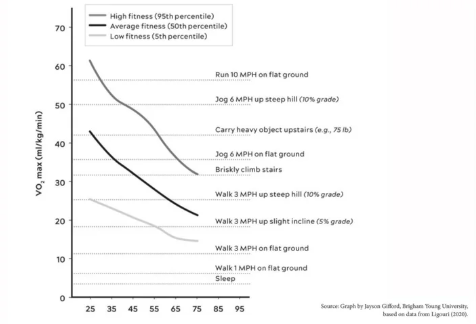
https://article.imrpress.com/journal/FBL/23/8/10.2741/4657/Landmark4657.pdf
https://pmc.ncbi.nlm.nih.gov/articles/PMC9975246/#sec1
If you are not interested in the studies, we have previously linked “grow young fitness” on YouTube that is a favourite of some staff family members for getting them moving. Start exercising whilst sitting, everyone can benefit from this no matter how unfit, and the jolly instructor makes everyone feel better.
https://www.youtube.com/watch?app=desktop&v=P-g7TAjjAE8
- Moderate your alcohol consumption. Remember, alcohol is toxic enough to kill bacteria, hence surgical spirit, it does the same thing to liver and brain cells. There are so many calories packed into alcohol it can be added to petrol for race cars, dropping this is an easy way to help your weight.
https://oneyoueastsussex.org.uk/programmes/drink-less/
- Get enough sleep. Proper sleep, not just tablet-induced sedation, is the time when memories are fixed and the brain literally washes itself clean of all the proteins and debris that cause dementia. This is something which has only been established in the last decade or so. The only thing more important than sleep, is oxygen.
https://pmc.ncbi.nlm.nih.gov/articles/PMC8186542/
For help with sleep, Sleepio is a NHS recommended six-week clinically proven digital treatment used to treat sleep issues. Through six weekly 10-minute sessions, you will learn different techniques to help you fall asleep faster, spend less time awake at night, and function better the next day.
Please follow the link below.
It is available free on the NHS
Sleep hygiene link as well.
Poor sleep can be the result of sleep apnoea, this raises your risk of acute CVD events, like heart attacks, strokes and also dementia. Do an Epworth score and see a clinician if you think this applies to you. Smart watches and wearables often have sleep apnoea alerts that are surprisingly accurate.
https://sleep-apnoea-trust.org/wp-content/uploads/2020/08/Epworth-Sleepiness-Scale-for-SATA.pdf
And finally,
- The big one, we all need to think about this 3 times a day, eat a sensible diet. You cannot outrun a poor diet. We will cut through all of the “noise” around nutrition, it really is very simple.
Sensible is not all things in moderation. A diet that consists entirely of moderate amounts of bacon sandwiches, chips, ice creams, sweeties, cake, take-away and fizzy drinks, will take decades off your life and health. There are many traditional diets which have been shown to have extraordinary health and longevity benefits, and they are all remarkably similar, and involve simple, natural, unprocessed foods your grandparents would recognise. Unfortunately, the Western convenient pre-packaged Diet is a recipe to take one or two decades of your life expectancy and two or three decades off your health expectancy.
With literally thousands of items of food or food-like substances that we can buy at the local supermarket, a strict list is neither appropriate nor helpful and does not take into account preferences.
However, the principle could be summed up, courtesy of Michael Pollen, the author,
“eat real food, mainly plants, not too much”.
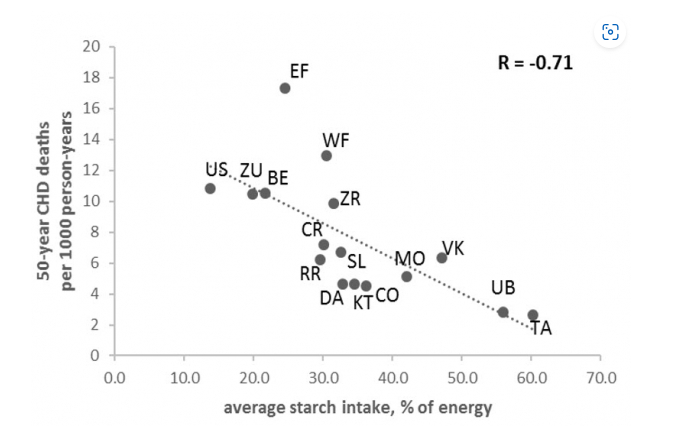
The proof is literally in the pudding (or not): The 7 countries study is an extraordinary dietary cohort study that highlighted the Mediterranean diet and the secrets to the Blue zone diets with over 50 years of follow up. It does not get better than this. The volunteers in these long term studies that make up the 7 countries study, repeatedly had their food taken away and analysed in the laboratory for accuracy and they were followed until they died. (Interestingly the majority of the lead scientists co-ordinating the study made it to over 90 or even 100 some still working, by taking their own advice). It even lead to an intervention study involving the whole of Finland, where the northern region were living on butter and cheese and Reindeer, and not much else. Switching to fruit, veg and vegetable oil, there was a 4 fold reduction in their risk of heart disease.
This study has been much maligned in modern social media, by vested interests that either have not actually looked at it, don’t understand it or deliberately misinterpret it for personal and commercial gains. A common theme is to only quote the preliminary scoping study at the start of the 1950’s that highlighted the poor national data. These preliminary findings informed the structure and scope of the actual 50 year prospective follow up study. There is no “French Paradox”, it’s a myth. The north ate butter, the south ate Olive oil, there was a big difference in CVD rates and the data was around 25% under reported as there were differences in how cardiac deaths were categorized in Greece and France, Oh so laissez Faire. If you have an interest in nutrition, please read this if you are interested, otherwise we have picked out the main themes of the findings in bold:
https://www.sevencountriesstudy.com/about-the-study/
The key findings are:
Cut your saturated fat, this is mainly from animal fat, its very clear and the statistical coefficient of R=0.92 is unarguable. The more saturated fat you eat, the more cardiovascular events you will get, the quicker you will die

(note for Vegans, coconut oil is also saturated, this was not tested as a fat option in this study, as it is not part of the traditional diet in the regions studied, but a high percentage coconut oil diet is toxic to rats, mice and primates and fills the liver with fat):
Have unsaturated fats, olive oil (monounsaturated fat) and polyunsaturated fats (not trans fats) like oily fish, nuts and seeds. It’s a straight line, the more you replace hard fats with these, the less chance you have of dying:
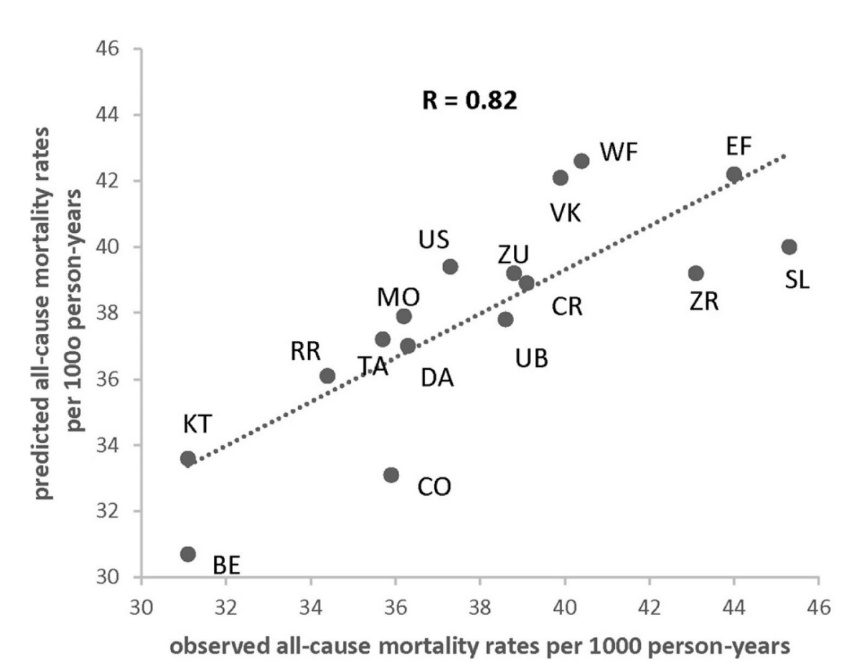
Eat a quality varied traditional Mediterranean diet of veg, fruit, fish, unrefined cereals, beans and olive oil , and go easy on milk, cheese, meat, eggs, hard fats and sweet things. The better the diet, the less chance of dying from heart disease. There is a 9 fold difference in CVD death rates:

Cut out added sugar, there is a 4 fold difference in CVD death rates:

Eat Fibre, the starch these rural cohorts were eating 50 years ago were not ultra-processed starch we eat in the UK, and had high fibre that came from starchy foods like beans and pulses, unprocessed cereals, bread and root veg. Non-western diets often have over 100g of fibre a day, the average western diet has around 10g and very few in the UK reach the current UK recommended 30g of mixed fibre per day.
Where to start?
The NHS offer an NHS check at the surgery for the over 40’s every 5 years to screen for the risk factors that increase your risk of cardiovascular disease, high blood pressure, cholesterol, and high sugar, with advice on weight, exercise, smoking and alcohol. We calculate your 10 year CVD risk, and offer treatment based on your overall risk for the next 10 years. The life style advice above will impact all of these markers.
If you want help in getting motivated to make change, OneYou offer weight loss and smoking cessation, and health coaches for a more personalised plan:
https://oneyoueastsussex.org.uk/
It’s never too late to start, but the sooner you start, the more benefit you will get. Prevention is better than disease control, and will buy you more healthy years, perhaps even decades.
ICB News:
https://www.sussex.ics.nhs.uk/nhs-sussex-news-6-june-2025/
https://www.sussex.ics.nhs.uk/nhs-sussex-news-13-june-2025/
https://www.sussex.ics.nhs.uk/nhs-sussex-news-20-june-2025/
https://www.sussex.ics.nhs.uk/category/sussex-health-care/nhs-sussex-in-focus-newsletter/
https://www.sussex.ics.nhs.uk/nhs-sussex-news-4-july-2025/
This is the 10 year plan issue.